SALPA LINE
Salpakeskus

SALPA LINE


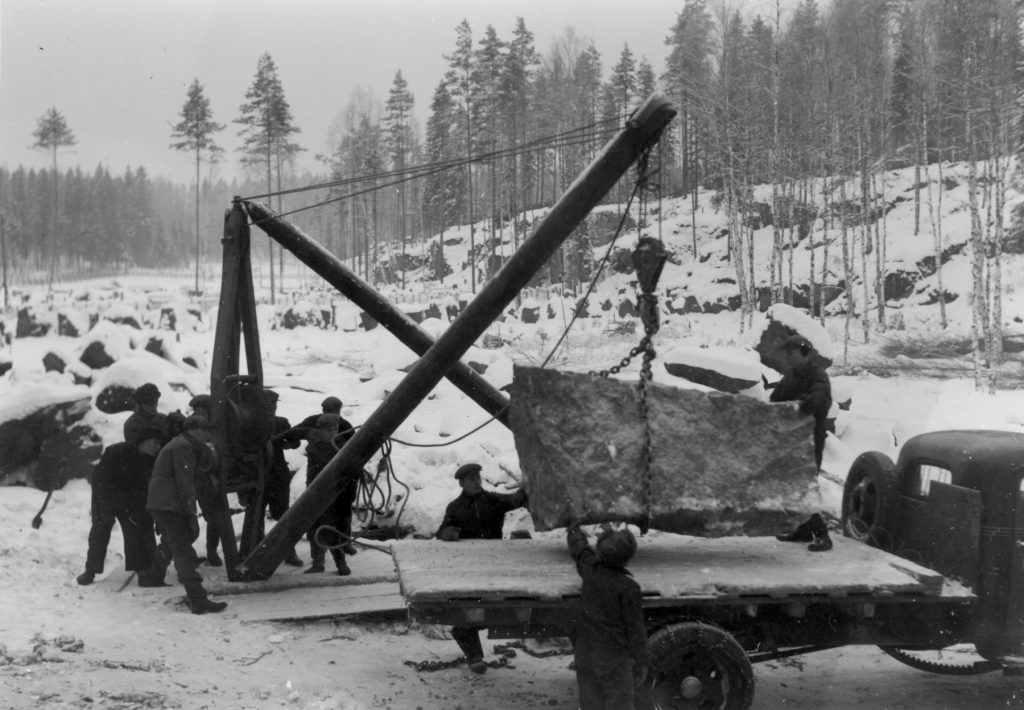
The Salpa Line is a massive line of defensive fortifications approximately 1200 km long that was built in 1940 – 41 and in 1944 in order to defend the Eastern border of Finland. The Salpa Line follows roughly the Eastern border and stretches from the Gulf of Finland to Savukoski, and continues from there on as a field fortified line all the way to the Arctic Ocean.


The Salpa Line has always been considered as one of the strongest fortified defence lines built during the Second World War and it has been compared, for instance, to the West Wall and the Atlantic Wall built by the Germans from North Cape to the Bay of Biscay, and to the ten years older Maginot Line in France. The strength of the Salpa Line was never tested in battle.


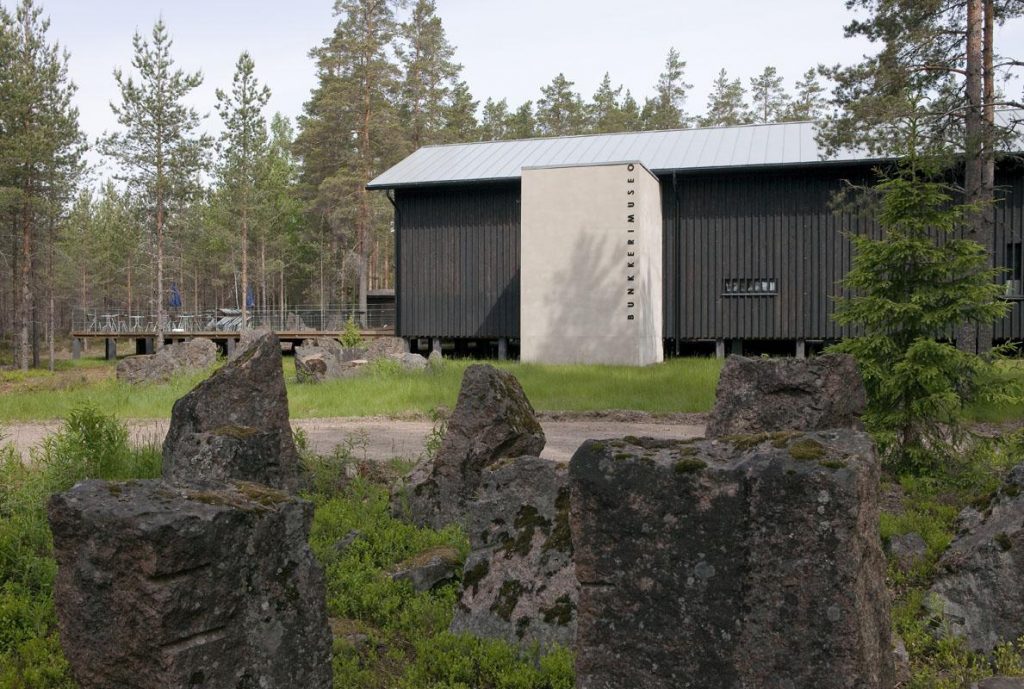
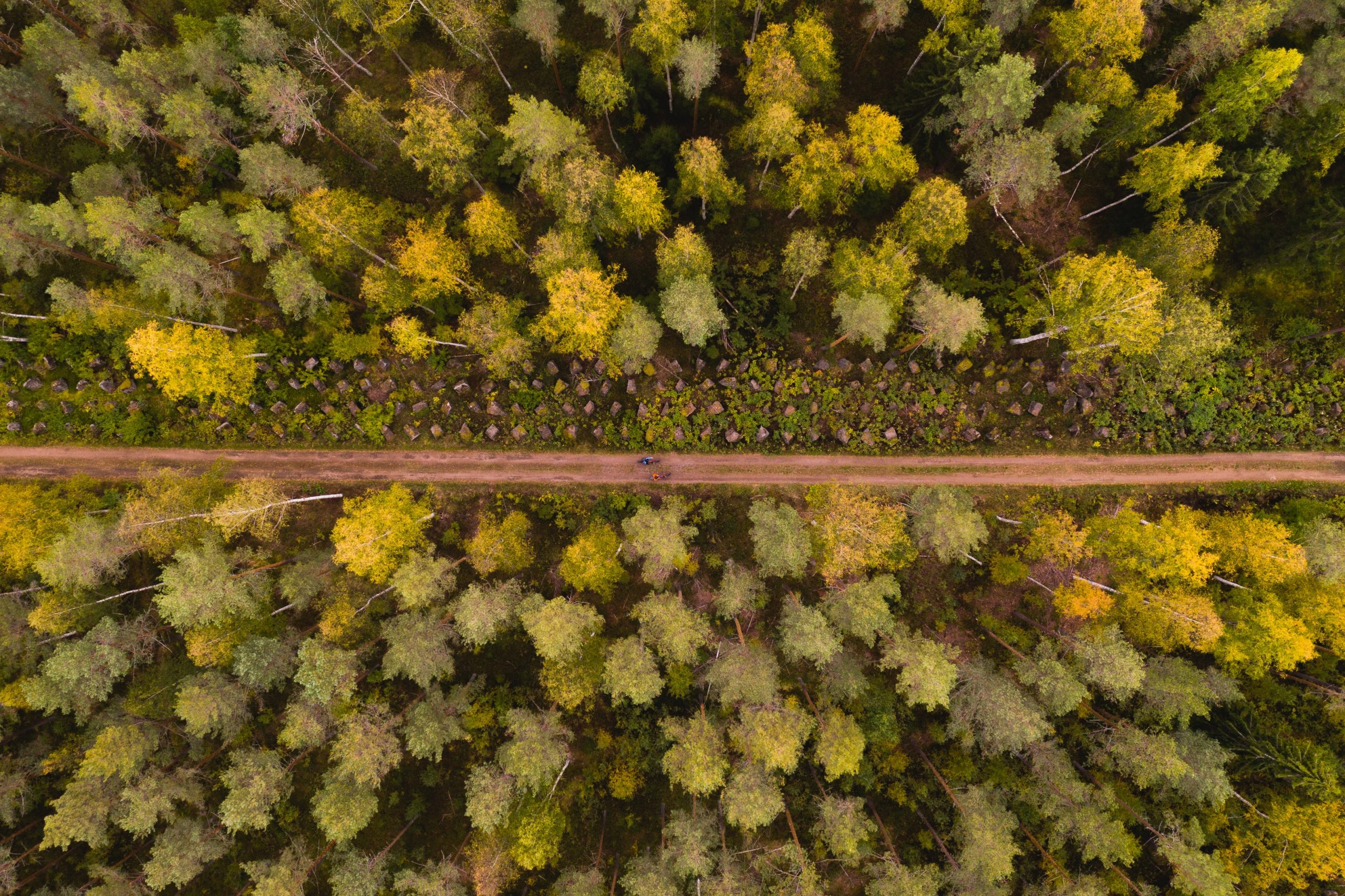
Concrete stones in Miehikkälä.

Photographer: Armi Oinonen


The Salpa Line is the largest construction effort ever taken in independent Finland. After the fortification works ended in the end of 1944, in total of 728 reinforced concrete bunkers and 3 000 wooden field fortifications were completed. Salpa Line fortifications can be found in over 30 municipalities. The busiest time of the construction was in the spring 1941 when at its peak 35 000 men and 2 000 members of women's auxiliary defence services were working at the fortification site.


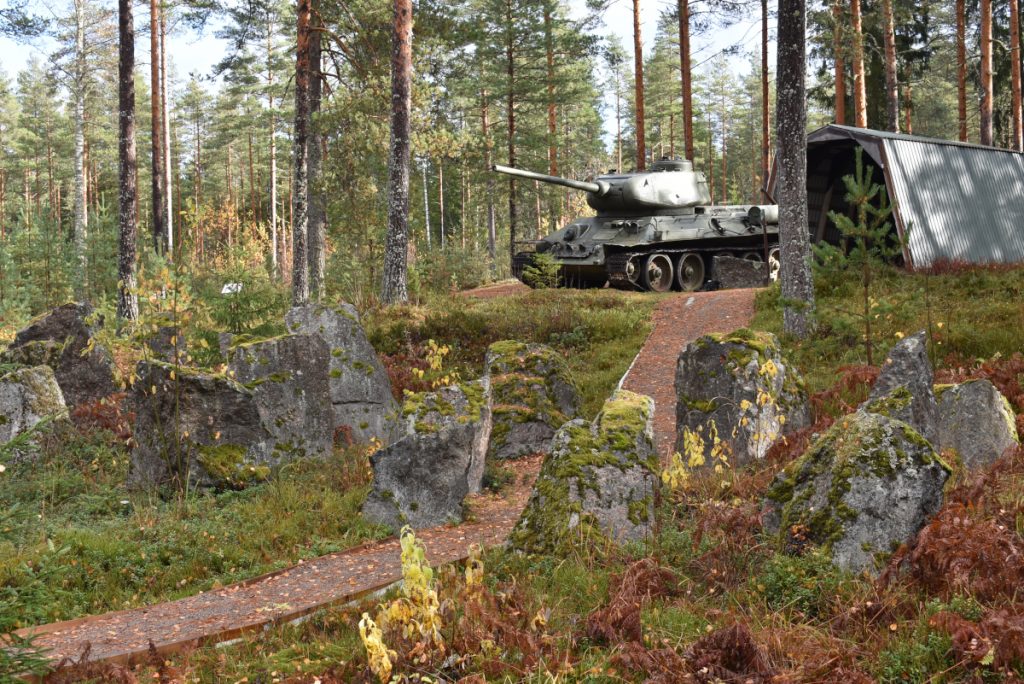
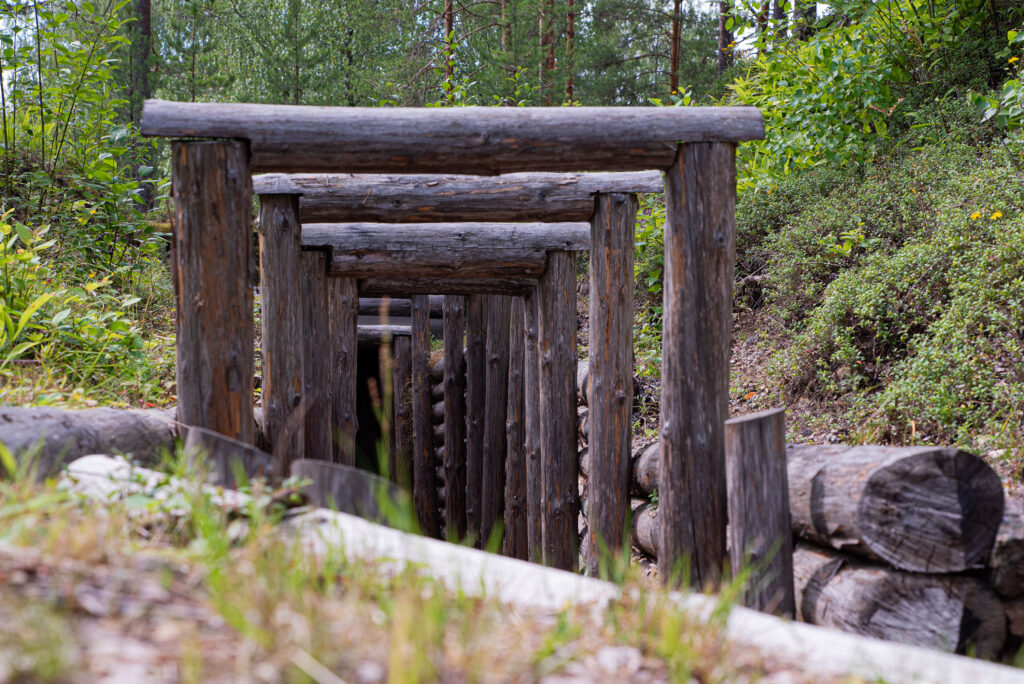
Immediately after the Continuation War, the defence line was stripped off of practically all of the non-fixed equipment, including the supporting timbers of field fortifiactions and barbed wires. Some of the stone obstacles have been removed and a few trenches and antitank ditches have gradually been filled to accommodate farming and other industries. Whereas the base fortifications – reinforced concrete bunkers, antitank obstacles and shelters and trenches excavated into rock – have been well preserved. It is possible to visit the defence line in some of the two dozen renovated travel sites, which are located near the Eastern border of Finland.


Stone obstacles in Haukiperä, Suomussalmi.
Photograph: Armi Oinonen.


The status of the fortification sites can be compared to the one of the monuments protected by the Antiquities Act. Because the fortifications are no longer in operative use, it is possible that they will be transferred directly under the law at some point in the future. Currently there is an effort underway in order to structure a national maintenance system for the Salpa Line together with the officials managing the fortification sites.

Salpa for tourists

banner